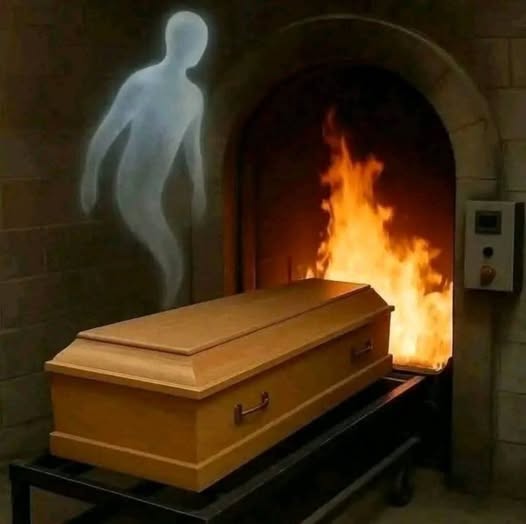
For centuries, believers have debated whether cremation aligns with or defies biblical teaching. In a world where cremation is often seen as a practical or even compassionate choice, many Christians still question — does it dishonor God’s design for the body? To answer that, we must look past tradition and emotion, and see what Scripture actually reveals about life, death, and the sacredness of the human form.
From the very beginning, the Bible treats the human body as something holy, formed by God’s own hands and destined for resurrection. “For dust you are, and to dust you shall return” (Genesis 3:19) reflects a divine order — burial allows the body to rest naturally, awaiting the day when Christ raises the dead. Throughout both the Old and New Testaments, believers were buried, not burned. Abraham buried Sarah, Joseph’s bones were carried out of Egypt, and Jesus Himself was laid in a tomb. Cremation, by contrast, was often associated with judgment and desecration. In Amos 2:1, God condemns Moab for burning the bones of the king of Edom — a symbolic act of disrespect and defilement.
This pattern suggests that cremation was never seen as an act of reverence. Fire, in biblical imagery, is most often tied to judgment or purification of sin — not to the care of the body God made. Burial, on the other hand, reflects hope: a seed planted in the ground to rise again in glory. “So will it be with the resurrection of the dead: The body that is sown is perishable, it is raised imperishable” (1 Corinthians 15:42). The physical body, even in death, is part of God’s redemptive promise, not something to be destroyed.
Still, Scripture does not state that cremation is an unforgivable sin. God’s power to resurrect is not limited by ashes or dust. Yet for many believers, burial remains a visible act of faith — a quiet declaration that we trust in a bodily resurrection and in the sacredness of creation itself. The choice, then, is not merely about cost or convenience, but about conviction. To lay a body in the earth, rather than to burn it, is to echo the words of hope that have comforted the faithful for generations: “I know that my Redeemer lives, and that in the end He will stand on the earth” (Job 19:25).
